
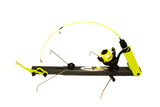


A rod holder that rattles loose in the cold, cheap hardware that rusts after one season, plastic parts that get brittle when the temperature drops - most anglers have learned the hard way that not all gear is built for real conditions. That is exactly why made in the USA fishing gear still matters. When you spend long hours on the water or on the ice, your equipment needs to work without excuses.
For serious outdoorsmen, this is not about waving a flag for the sake of it. It is about buying gear from companies that understand the conditions, stand behind what they build, and know that failure in the field is not a minor inconvenience. It costs fish, time, and trust. American-made gear tends to matter most when the weather turns ugly and the easy day becomes a hard one.
What made in the USA fishing gear really means
The phrase gets used loosely, so it is worth being clear. Made in the USA fishing gear should mean the product is substantially manufactured here, not simply packaged here after arriving from overseas. There is a big difference between a company that designs, sources, machines, assembles, and inspects gear domestically and one that adds a label at the end.
That difference shows up in accountability. If a product is built closer to home, there is usually a tighter connection between design, manufacturing, and customer service. Problems are easier to trace, improvements happen faster, and the company cannot hide behind a long supply chain when something goes wrong.
For niche outdoor gear, that matters even more. Specialty products are often built to solve very specific problems, and those problems are usually understood best by people who actually hunt, fish, and spend time outside. Founder-led American companies tend to have an advantage here because the product often starts with field experience, not a spreadsheet.
Why American-made gear tends to hold up better
Durability is the first reason many anglers start looking at American-made products. Not every imported product is junk, and not every domestic product is perfect. That said, companies building gear in the United States often compete on quality because they are not trying to win the race to the cheapest possible price.
That usually means better materials, tighter tolerances, and more attention to how a product performs after repeated use. In fishing, those details matter. Springs, clips, fasteners, brackets, and moving parts all take abuse. Add freezing temperatures, wet hands, rough transport, and repeated setup and teardown, and weak points show up fast.
Ice fishing is a good example. Gear that performs fine in mild weather can fail quickly when it is dragged across hard ice, exposed to slush, or left overnight in brutal cold. If you fish multiple holes, rely on specialized accessories, or need equipment that works while you stay inside a shelter, durability is not a luxury. It is the whole point.
Made in the USA fishing gear and trust
Trust is earned when a company tells you where a product comes from and then backs it up with service. That is one of the biggest advantages of made in the USA fishing gear. You are often buying from a business that is easier to reach, easier to question, and more likely to take ownership if something is not right.
That does not mean every domestic brand handles service well. It does mean there is less distance between the customer and the people responsible for the product. For outdoorsmen who are tired of generic gear and generic support, that matters.
It also matters in a market full of lookalikes and knockoffs. If you have spent any time shopping for specialty fishing equipment online, you have seen it. A proven design gains traction, then cheaper copies start showing up. They may look similar in photos, but they are often built with lower-grade components and little real testing behind them.
That is where American manufacturing and brand integrity go hand in hand. A company willing to put its name, location, and reputation on the line usually has more skin in the game than a faceless seller moving copies.
The trade-off is usually price
Let us be honest about it. American-made fishing gear often costs more up front. Labor costs more here. Materials may cost more here. Smaller production runs almost always cost more here.
For some buyers, that makes imported gear the practical choice, especially for basic items they use lightly or replace often. If you are buying something simple and non-critical, the lower price may make sense.
But the equation changes with gear that gets used hard or solves a specific problem. If a product saves time, lasts longer, and performs when conditions are rough, the cheaper option is not always cheaper in the long run. Replacing broken gear, losing fish, or wasting trips has a cost too.
A lot depends on how you fish. The weekend angler with mild-weather habits may not need premium equipment everywhere. The guy who fishes hard water, packs serious miles, or counts on his setup to produce in rough conditions usually sees value differently.
Where American manufacturing matters most
Not every piece of fishing tackle needs the same level of scrutiny. A bobber stop and a specialized fish-hooking device are not in the same category. The more mechanical, purpose-built, or conditions-sensitive the gear is, the more manufacturing quality matters.
That is especially true for products with moving parts or gear designed for a narrow use case. Ice fishing accessories, rod systems, hook-setting tools, mounts, and specialty holders all need more than decent looks. They need to function consistently when cold, wet, and repetitive use put pressure on every weak point.
This is where practical innovation stands out. Some of the best American-made products are not trying to be everything for everybody. They are built to solve one job well. That is often a better fit for serious outdoorsmen than mass-market gear designed to appeal to the broadest audience possible.
Why founder-built products deserve attention
A lot of good outdoor gear comes from people who got tired of dealing with the same problem over and over and decided to build a fix. That origin story matters because it usually leads to better products.
When the designer is also the user, the product gets judged by field performance first. Does it save time? Does it reduce hassle? Does it help you stay out longer, fish more efficiently, or avoid missing opportunities? Those are the questions that shape useful gear.
That is one reason companies like Thresher Innovations connect with buyers who know the difference between gimmicks and practical tools. If a product is designed by somebody who actually understands cold weather fishing, multiple-hole setups, and the need to stay warm while keeping lines working, it shows in the final build.
How to judge made in the USA fishing gear before you buy
Start with the company, not just the product photo. Look for clear claims about where the gear is manufactured and how specific the language is. If the wording feels vague, that is a warning sign.
Then pay attention to construction. Materials, hardware, finish quality, and the logic of the design tell you a lot. Good gear usually looks like somebody thought through real use, not just retail presentation.
Customer support also matters more than many buyers admit. If you have a question about setup, replacement parts, or expected performance, a trustworthy company should be able to answer it plainly. Straight answers are usually a good sign.
Finally, think about your actual use. Buy according to the conditions you fish, not the fantasy version of yourself. If you need gear that can take abuse, save time, and keep working when it is cold and inconvenient, it makes sense to spend accordingly.
The bigger reason this still matters
Buying American-made fishing gear is not just a product decision. It is a vote for the kind of companies you want more of in the outdoor market. Companies that test what they sell. Companies that answer the phone. Companies that build products for real users instead of chasing the lowest possible quality at the highest possible margin.
That does not mean you need every item in your tackle setup to be made domestically. It does mean the gear that matters most deserves a harder look. When your equipment has a real job to do, origin, build quality, and accountability start to matter a lot more.
The best gear earns its place by making your time outside more productive and less frustrating. If it is built here, built right, and built by people who respect the same conditions you fish in, that is not marketing talk. That is value you can feel the first time the weather turns bad and your gear keeps doing its job.