


A slow ice bite will punish a one-hole plan fast. If you want to stay on active fish instead of waiting on luck, learning how to fish multiple holes is one of the smartest adjustments you can make. More coverage means more chances, but only if your setup stays controlled, legal, and easy to manage from inside the shelter.
Why fishing multiple holes works
Ice anglers lose time in two ways - sitting over unproductive water too long and spending too much effort running from one tip-up or rod to another. Fishing multiple holes solves the first problem by letting you cover different depths, bottom transitions, and travel lanes at the same time. It can also solve the second problem if your spread is organized well enough that you are not creating your own chaos.
Fish do not use every part of a basin equally. On the same flat, one hole might sit over a subtle depression, another might touch the weed edge, and a third might intercept fish cruising just off bottom. If you only fish one opening, you are guessing. When you fish several, you are testing.
That matters even more on tough days. Midwinter fish often slide into narrow feeding windows. If your baits are already working in the right lanes when the window opens, you do not need to scramble. You are in position.
How to fish multiple holes without turning your shelter into a mess
The biggest mistake anglers make is drilling a bunch of holes with no plan. More holes are not automatically better. The right number depends on the species, your state regulations, the size of your shelter, and how quickly you can respond when a fish commits.
Start by checking your local rules on the number of lines, tip-ups, or automatic devices allowed per angler. If you fish with a partner, know whether your lines need to stay attended and how far apart they can be placed. There is no shortcut around this. Good gear helps, but staying legal comes first.
Once that is settled, think in zones. Set one hole shallow, one mid-depth, and one deeper if the structure allows it. If you already know fish are holding on a breakline, stagger your holes along that edge instead of scattering them randomly. Keep them close enough that you can monitor everything without stepping over tackle, heaters, and electronics.
Inside a shelter, spacing matters. Give each hole a purpose. One might be your active jigging hole. Another might hold a deadstick or setline. A third might cover an outside edge where cruising fish pass through. If every hole is doing the same job, you are not learning much.
Set each hole up for a specific role
This is where efficient ice fishing separates itself from guesswork. Your spread should tell you something.
Use your first hole as the search hole. That is where you work a jigging spoon, lipless bait, or whatever aggressive presentation matches your target species. This hole calls fish in and gives you feedback fast. If fish show up on electronics but will not commit, that tells you the mood is softer than you thought.
Your second hole should often be the clean-up hole. A plain hook, minnow, live bait rig, or deadstick setup can convert fish that inspect the active presentation but back off. This is especially effective on walleyes, crappies, and perch when they are interested but not fully committed.
A third hole can be your location test. Maybe it is two feet higher on the break. Maybe it sits closer to weeds. Maybe it is drilled just outside the shelter to avoid noise or shadow. The point is to compare. When one hole consistently outproduces the others, you have a pattern instead of a hunch.
If you are targeting pike or other larger predators, your approach may lean more on setlines or automatic hook-setting tools while you actively fish another hole. That can be a strong setup for covering water without freezing outside all day, especially when the weather turns brutal.
Staying warm while covering more water
A lot of anglers want to fish multiple holes, but what they really do is babysit one line and ignore the rest because they do not want to leave the heater. That is understandable. Nobody buys a shelter to stand in the wind all day.
The practical answer is to build a system that lets you monitor more than one presentation from a comfortable position. That means clean spacing, clear line management, and gear that does not require constant hovering. If you can keep lines fishing effectively while staying inside the shack, you fish longer, react quicker, and make better decisions late in the day when other anglers are packing up.
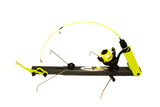
This is exactly why purpose-built gear matters. A well-designed automatic hook-setting device can help an angler fish multiple holes more efficiently by keeping a bait in the water and responding when a fish takes it, instead of forcing you to sprint across the shelter and hope you got there in time. There is a real difference between adding gear for the sake of gadgets and using equipment that solves a problem you actually face on the ice.
How to manage timing and attention
Fishing multiple holes is not passive. You still need a routine.
Check your active jigging hole first and most often because it gives you the fastest read on fish mood. Watch your electronics, cadence, and fish response. If marks come in but refuse, make one change at a time - bait size, color, cadence, or height above bottom. Do not change everything at once or you will not know what worked.
Then cycle your attention to your secondary holes. Make sure your deadsticks still have healthy bait and proper depth. Clear slush before it freezes thick enough to interfere with line movement. If a hole has gone quiet for too long, do not be stubborn. Redrill, reposition, or give it a new role.
The trade-off with fishing more holes is that each extra line divides your attention. If you cannot keep up, scale back. Two well-managed holes will often outfish four neglected ones. Efficiency is the goal, not clutter.
Common mistakes when fishing multiple holes
One common mistake is drilling holes too far apart. Wide spacing sounds good in theory because it covers more water, but it becomes a problem when you cannot react quickly or watch all your lines at once. In a shelter, tighter control usually beats extra spread.
Another mistake is making every presentation aggressive. If all your holes are running the same lure, same depth, and same action, you are not increasing your odds much. Give fish a reason to choose, then watch what they tell you.
Noise is another factor anglers overlook. Constant stomping, dragging sleds, and reaming slush can shut down shallow fish fast. Drill early if you can. Once set up, move with purpose and keep the inside of the shelter organized.
Last, do not trust cheap knockoff gear when the bite is light and timing matters. If you are relying on a tool to help manage multiple lines, it needs to be dependable in cold weather and built to do the job right. Field-tested, American-made gear earns its keep when conditions are rough and shortcuts fail.
How to adjust when the bite changes
The best anglers do not just fish multiple holes. They keep refining what each hole is telling them.
If your deeper hole produces early but fades by mid-morning, shift one setup shallower instead of waiting on yesterday's pattern. If your deadstick is getting all the attention while the jigging rod stalls out, tone down your presentation. If fish rush in high off bottom during low light, raise one bait and leave another near the bottom to see which gets bit first.
This is where fishing multiple holes pays off most. You are not locked into one answer. You are running a controlled test across real fish in real time.
On pressured lakes, small adjustments matter. A six-foot move can be more important than a new lure. A quieter presentation can beat a flashy one. The anglers who stay flexible usually stay on fish longer.
The smart way to make multiple holes pay off
If your goal is to catch more fish, the answer is not just drilling more ice. The answer is fishing each hole with a purpose, keeping your spread manageable, and using gear that helps you stay efficient instead of adding confusion. Thresher Innovations built its reputation around that kind of practical problem-solving - helping ice anglers stay warm, fish smarter, and make the most of every minute on the ice.
When you set up with intention, multiple holes stop being extra work and start becoming an advantage. Fish the water in front of you, pay attention to what each line is teaching you, and let efficiency win the day.