


The difference between a good day on the ice and a miserable one usually is not the fish. It is your heat management. The best stay warm ice fishing tips are not about piling on random layers and hoping for the best. They come down to controlling sweat, blocking wind, staying dry, and setting up so you do less standing around in the cold.
If you fish hard through January and February, you already know cold has a way of sneaking in. It starts in your boots, works into your hands, and before long you are packing up early. The anglers who stay out longer are usually not tougher. They are simply more deliberate with gear, shelter setup, and how they move through the day.
Start with dry heat, not heavy heat
A lot of anglers overdress before they even leave the truck. That is a mistake. If you start sweating while dragging gear, drilling holes, or setting the shelter, that moisture will work against you for the rest of the trip.
The better play is to dress in layers you can regulate. A moisture-wicking base layer keeps sweat off your skin. A mid-layer should hold warmth without adding too much bulk. Your outer layer needs to cut wind and block slush, not just feel thick. Heavy cotton has no place here. Once it gets damp, it stays cold.
This is where experience matters more than brand labels. If you are hole-hopping on foot, you need a lighter setup than someone sitting in a hub shelter all day. If you ride out on an ATV and stay mostly stationary, you can afford more insulation. It depends on how much work you are doing before you settle in.
Your boots matter more than your jacket
Cold feet ruin more trips than almost anything else. Ice fishing means prolonged contact with frozen ground, standing still for long stretches, and dealing with slush that finds every weak point in your footwear.
Choose insulated waterproof boots with room to move your toes. Tight boots restrict circulation, and no amount of insulation can fix that. Good socks help, but too many socks can make things worse if they compress your feet. One quality moisture-wicking sock and one insulating layer is usually better than stuffing your boots full.
If you fish inside a shelter, pay attention to what is under your feet. Standing on bare ice all day pulls heat out of your body. A floor, foam mat, or even a simple barrier between your boots and the ice makes a real difference. It is not glamorous gear, but it works.
Hands stay warmer when you stop fighting your gear
Gloves are tricky because ice anglers need dexterity. You need to tie knots, bait hooks, clear ice, run electronics, and handle fish. That is why many people end up barehanded too often and pay for it later.
The practical answer is to use a system instead of one glove for everything. A warm mitt or heavy outer glove works when you are moving or waiting. A thinner liner glove handles the fine work. That way you are not exposing bare skin every few minutes.
Hand warmers help, but they are backup, not a fix for bad glove choices. If your gloves get wet from slush or fish slime, switch them out. Dry hands stay warmer than thick, wet gloves every time.
Stay warm ice fishing tips for shelter setup
A shelter is not just comfort. It is a tool that lets you fish longer and fish better. But even a good shelter loses value if it is set up wrong.
Face the shelter with the wind in mind. If the door or weak side takes the full hit, heat loss goes up fast. Anchor it well so you are not dealing with drafts and shifting walls all day. Seal what you can, but keep safe ventilation if you are running a heater. Warmth is important. Fresh air is non-negotiable.
Inside the shelter, organize your layout so you do not keep stepping out, opening the door, or fumbling for gear. Every unnecessary trip into the wind costs heat. Keep rods, tackle, heater fuel, and seating positioned for efficiency. Little mistakes add up on a ten-degree day.
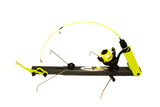
For anglers running several lines, this is where smarter equipment earns its keep. Being able to tend multiple holes while staying protected from the weather is a real advantage, not a luxury. Products built for that purpose can help you fish more effectively without constantly exposing yourself to the cold.
Use heat carefully, not carelessly
Portable heaters can make ice fishing far more comfortable, but they are not magic. If the shelter leaks air everywhere, you will burn fuel fast and still feel cold. If you crank too much heat in a small space, you can end up sweating, which becomes a problem the minute you step outside.
Aim for steady comfort, not tropical conditions. You want enough heat to keep your hands functioning, your boots from stiffening up, and your body from draining energy just to stay warm. You do not need to turn your shelter into a sauna.
Fuel planning matters too. Bring more than you think you need, especially on longer trips. Cold weather, wind, and shelter size all affect burn time. Running out of heat late in the day can turn a manageable outing into a long, cold haul back.
Eat and drink like you plan to stay out there
Your body is the furnace. If you are underfed or dehydrated, you will feel the cold faster. A surprising number of anglers bring enough bait for the day and not enough calories for themselves.
Pack simple, high-energy food you can eat without much hassle. Jerky, sandwiches, nuts, and bars all do the job. Warm drinks help morale and body temperature, but skip the idea that alcohol keeps you warm. It may feel that way for a minute, but it works against sound judgment and proper temperature regulation.
Water matters in winter even when you do not feel thirsty. Dry cold air and heated shelters can dehydrate you more than you realize. A little discipline here keeps your energy and heat up through the afternoon.
Manage your holes to manage your comfort
Open holes cost you time and body heat. The more often you have to chip ice, clear slush, and kneel in the cold, the harder it is to stay comfortable.
Keep your fishing area clean and controlled. Scoop slush early instead of letting it build. Use covers when it makes sense. If you are outside without a shelter, rotate attention between holes so none of them turn into a frozen mess. Efficient hole management means less kneeling in wind and less handling icy water with your gloves off.
This is another place where smart rigging helps. If your setup lets you monitor and fish more than one hole without constantly moving, you conserve both energy and heat. That is not laziness. That is fishing smarter.
Know when mobility helps and when it hurts
There is a trade-off between staying active and staying exposed. Moving can warm you up, but repeated runs across open ice in brutal wind can strip heat fast. Sitting too long can chill you down just as badly.
The right answer depends on conditions. On milder days, hole-hopping can keep your body warmer than sitting still. In harsh wind or extreme cold, a well-run shelter base is usually the smarter choice. Set up where you can fish efficiently without making constant cold-weather laps.
This is why purpose-built gear matters. Equipment that reduces unnecessary movement, especially when fishing multiple lines, gives you a better shot at staying comfortable and staying on the bite.
The best stay warm ice fishing tips are preventive
Once you are cold, you are behind. It is much easier to stay warm than to get warm again after sweat, wind, or wet gear has taken hold.
Pack extra gloves. Bring spare socks. Keep a dry hat in your sled or shelter. Have a plan for changing layers after setup if you worked up heat getting there. Small preventive moves beat heroic fixes every time.
Pay attention to the warning signs. Numb fingers, sloppy knot tying, stiff movement, and that deep chill that does not go away are all signs to adjust before the day gets worse. Add a layer, eat something, fire the heater, or step into shelter before discomfort turns into a safety issue.
American ice anglers know the deal. Cold is part of the sport. But suffering through preventable mistakes is not some badge of honor. Good gear, smart setup, and field-tested habits will keep you on the ice longer and keep you fishing better. Thresher Innovations was built around that same practical idea - help anglers stay warmer, fish more efficiently, and make their time on the ice count.
If you want more fish this winter, start by protecting your heat. A warmer angler makes better decisions, reacts faster, and stays out long enough to earn the bite.