
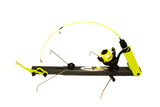


If you have ever watched a tip-up flag pop from inside your shelter, then hustled into the wind only to find a missed fish, you already understand the value of an automatic ice fishing hook setter. On hard-water days when fish hit light, hesitate, or spit the bait fast, the difference between seeing action and landing fish often comes down to hook speed. A good hook-setting device takes that delay out of the equation and puts more control back in your hands.
For serious ice anglers, this is not about gimmicks. It is about efficiency. When you are running multiple holes, managing deadsticks, watching electronics, and trying to stay warm enough to fish longer, every second matters. An automatic hook setter gives you a fast, repeatable response the moment a fish commits, which can mean more hookups and fewer lost chances.
What an automatic ice fishing hook setter actually does
At its core, an automatic ice fishing hook setter is a mechanical device designed to trigger a fast hook-setting motion when a fish takes the bait. Instead of relying on you to see the bite, reach the rod, and react in time, the device does the snap for you. That matters most with species and conditions where fish do not hold the bait long.
This kind of setup shines when you are fishing outside your shelter, spreading out over several holes, or trying to keep an eye on more than one presentation at a time. It also helps when weather works against you. Cold hands are slower. Heavy gloves make finesse harder. Wind, snow, and low light can all delay your response. A mechanical hook setter is built to remove those variables.
That does not mean it replaces angling skill. You still need to choose the right location, bait, depth, and rod setup. The device handles one job - setting the hook quickly and consistently - and that single job can make a real difference on the ice.
Why anglers use an automatic ice fishing hook setter
Most anglers who adopt one do it for three reasons: to fish more efficiently, to improve hook-up rates, and to spend less time running around in the cold. Those are practical reasons, not marketing slogans.
Efficiency is the first big advantage. If you are fishing from a hub or permanent shelter, you can stay warmer while keeping a productive spread working outside. That means more time focused on sonar, jigging, or watching active lines instead of babysitting every rod. The more controlled your setup, the more water you can cover.
Hook-up consistency is the next reason. A fish does not wait for you to zip your bibs, stand up, and grab the rod. When a bite turns into a split-second window, the spring-loaded action of a good hook setter responds immediately. That is especially helpful with light-biting fish or when targeting species known for quick takes.
Comfort matters too. Any experienced ice fisherman knows that staying warm is not a luxury. It keeps you sharper, safer, and on the ice longer. If a device lets you stay inside your shelter while still fishing multiple holes effectively, that is a real advantage on a long January day.
Where an automatic hook setter fits into your ice setup
The best way to think about this tool is as part of a broader system, not a standalone miracle. It works well alongside jigging rods, deadsticks, and tip-ups, depending on how you fish and what your local regulations allow. The right setup depends on your target species, hole spacing, and whether you are fishing mobile or from a fixed shelter.
For anglers who like a spread, an automatic hook setter can cover one of the most common weak points in hard-water fishing: delayed reaction time. If your main focus is jigging one hole while another rod is fishing live bait nearby, the device gives that second rod a better chance to connect when your attention is elsewhere.
There is also a practical value for family fishing and group trips. Newer anglers often struggle with timing the hookset. A mechanical system helps level that learning curve and can turn more bites into fish on the ice. That keeps people engaged, and anyone who introduces kids or beginners to ice fishing knows that matters.
What to look for before you buy
Not all hook-setting devices are built the same, and this is where experience matters. In cold-weather gear, design shortcuts show up fast. Springs weaken, plastics get brittle, moving parts freeze up, and poor construction turns into frustration when the bite is on.
Start with durability. Ice fishing gear takes abuse from freezing temperatures, slush, transport, and repeated setup. You want a hook setter that feels solid, resets easily, and is built to keep working through a full season and beyond. Flimsy parts might save a few dollars upfront, but they usually cost you fish and patience later.
Pay attention to trigger sensitivity and adjustability. Fish do not all hit the same way. A setup that works for aggressive strikes may need tuning for lighter biters. The ability to fine-tune the release is one of the key differences between a product designed by real anglers and one built for shelf appeal.
Portability matters too. If you move often, bulky gear becomes a burden. If you fish from a shelter, a compact setup is easier to manage. The best units are simple to transport, quick to deploy, and easy to reset with cold hands.
And then there is origin and build quality. In a niche like this, knockoffs are a real issue. Products that copy the look without matching the performance can leave anglers disappointed. That is why many buyers pay close attention to American-made gear from companies that know the sport and stand behind what they sell.
The trade-offs anglers should know
A straight answer is better than hype: an automatic ice fishing hook setter is not perfect for every situation. Like any specialized tool, it has strengths and limits.
If you prefer active, hands-on jigging all day, you may not use one on every line. Some anglers simply enjoy setting the hook themselves, and there is nothing wrong with that. This device is most valuable when it supports a second presentation or helps you cover more water without sacrificing response time.
It also takes setup discipline. Rod tension, bait size, line choice, and trigger sensitivity all affect performance. If the unit is not adjusted properly, you can get false trips or missed sets. The good news is that once dialed in, a quality unit becomes predictable and dependable.
Local regulations are another factor. Ice fishing laws vary by state, especially around unattended lines and the number of lines allowed. Responsible anglers should always match their setup to local rules.
Why design and manufacturing matter more in the cold
Winter exposes weak gear fast. Materials contract. Moisture freezes. Small failures become big problems when you are miles from the truck and the wind is pushing across the lake. That is why the design behind an automatic hook setter matters as much as the concept itself.
A well-made unit should operate smoothly, reset without hassle, and hold up over repeated use. It should feel like it belongs in a hard-water system, not like an afterthought. The best products in this category come from people who fish, test, and refine their gear in real conditions.
That is where a company like Thresher Innovations stands apart. A founder-led, Made-in-the-USA approach means the product is built around practical use, not guesswork. For anglers who care about authenticity, that matters. So does buying from a business that understands the difference between field-tested gear and imitation.
Who gets the most value from one
This tool makes the most sense for anglers who want to fish smarter, not just harder. If you fish multiple holes, spend long hours on the ice, or want to keep active lines working while staying warmer in your shelter, the value is easy to see. It also fits anglers who appreciate purpose-built gear and would rather buy one dependable product than replace a cheap one every season.
For weekend fishermen, it can improve the experience by reducing missed chances. For experienced sportsmen, it adds efficiency to a system they already understand. For anyone who fishes in tough weather, it offers a little more control on days when conditions are working against you.
A good automatic ice fishing hook setter is not about taking the sport out of fishing. It is about removing one avoidable weak link between the bite and the fish. When the weather is rough, the fish are finicky, and every opportunity counts, dependable gear earns its place fast. If you want to cover more holes, stay warmer, and make more of the bites you get, this is one piece of equipment worth taking seriously.