


A frozen rod guide can turn a good bite into a missed fish in seconds. Knowing how to prevent rod freeze starts with controlling moisture before it reaches your guides, line, and reel. When temperatures fall hard, every wet surface becomes a potential problem, especially when you are moving between holes or fishing outside the shelter.
Why Rod Freeze Happens on the Ice
Rod freeze is usually not caused by the cold alone. It happens when water gets carried up the line after landing a fish, clearing a hole, or dipping the rod tip near slush. That moisture collects in the guides, then freezes around the line. A small amount of ice can slow a jigging stroke. A thick buildup can stop line from moving altogether.
The problem gets worse when wind is up, snow is wet, or you are fishing in temperatures below 20°F. Braid can be especially troublesome because it holds water in its fibers. As that water freezes, the line can stiffen and drag ice into every guide on the rod.
A frozen reel is another issue, but guide freeze is often the first failure point. Keep the rod dry and the line clean, and you will spend more time fishing instead of chipping ice off your equipment.
How to Prevent Rod Freeze Before You Hit the Lake
Your best defense begins at home. Start with an ice fishing rod that has clean, undamaged guides. Rough guide inserts and worn wraps hold moisture and give ice a place to build. Check each guide before the trip, particularly the tip-top, which freezes first and causes the most trouble.
Choose line with cold-weather performance in mind. There is no single answer for every setup. Monofilament is easy to manage and sheds water reasonably well, but it can stretch and develop memory in severe cold. Fluorocarbon absorbs less water and works well for many panfish and walleye presentations, though heavier fluorocarbon can become stiff. Braid offers sensitivity and strength, but it absorbs water and is more likely to ice up when exposed outside the shelter.
For rods you plan to fish outside, a quality line treatment made for cold-weather fishing can help water shed from the line and guides. Apply it lightly and follow the product directions. Too much spray can leave residue, collect grit, or make a reel feel slick where you need a solid grip.
Keep your reel clean, lubricated, and properly maintained before the season. Standard grease can thicken in bitter temperatures, which makes a reel feel sluggish even when the guides are clear. Cold-weather reel lubrication is worth considering if you routinely fish deep cold in northern states.
Set Up to Keep Water Off the Rod
Where you place your rod matters. Do not lay it across wet snow, slush, or the edge of an open hole. The cork or handle may not freeze right away, but the line and guides will pick up moisture every time you lift it.
Use a rod holder, bucket, or dry section of the shelter floor to keep rods off the ice. If you are hole-hopping, carry the rod with the tip up when possible. A tip-down rod is more likely to drag line through snow, slush, and hole water.
Pay attention to your hole, too. Skim floating ice before it gathers around the line. A clean hole does more than make fishing comfortable. It reduces the amount of water your line carries back through the guides every time you lift a fish or reset your presentation.
Build a Better Fishing Routine
Rod freeze often comes down to small habits repeated all day. After landing a fish, take a few seconds to wipe the lower section of line and the first few guides with a dry cloth. You do not need to baby your equipment. You simply need to remove the water before the wind and cold turn it into ice.
Avoid dunking the rod tip into the hole unless the presentation requires it. When clearing a fish from a tight hole, keep the rod elevated rather than letting the tip trail near the water. If you are using a fish finder, scoop, or skimmer, keep those wet tools away from your rod station.
Moving indoors and outdoors also calls for discipline. A warm shelter is a welcome break, but condensation can form when cold gear enters warm air. Wipe down the rod before taking it back outside. Otherwise, that moisture can freeze fast once it meets the wind.
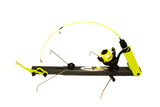
When fishing several holes, assign each rod a clean, dry place between uses. Purpose-built gear can help here. An automatic hooking device such as the American-made Happy Hooker lets anglers keep more lines working while staying warmer in the shelter, but each active setup still needs a clean hole and regular checks for ice buildup.
Match Your Plan to the Conditions
There is no one setup that prevents rod freeze in every situation. On a calm 25°F afternoon, basic line care and a dry cloth may be all you need. At 0°F with a stiff wind, you may want to fish closer to the shelter, use less water-absorbing line, and keep backup rods ready.
Outside anglers face more freezing problems than anglers inside a heated or insulated shelter. That does not mean outside fishing is a bad choice. It means you should expect more maintenance and set up accordingly. A portable shelter can be a practical tool, not a luxury, when cold and wind are working against your gear.
Species and technique matter as well. Panfish anglers who are constantly jigging may notice guide ice quickly. Tip-up anglers may have fewer rod issues but still need to keep line, flags, and spools clear. Dead-stick setups require regular checks because an iced-over guide can prevent a fish from taking line naturally.
What to Do When Your Guides Are Already Frozen
Do not force line through an iced guide. Pulling hard can damage the line, bend a guide, or snap off a fish at the worst possible moment. Bring the rod into the shelter or a protected area and remove the ice gently with your fingers or a small plastic tool.
A dry cloth is often enough for light frost. For heavier buildup, let the rod warm slightly, wipe away the meltwater, then dry the guide before returning outside. Do not pour hot water over the guides. It may clear the ice for a moment, but it adds more water that can refreeze quickly and create a bigger problem.
If the line itself is crusted with ice, strip off the affected section and check it for nicks. Cold, frozen line can weaken or become damaged without looking obvious. A few minutes of maintenance is cheaper than losing a good fish or ruining a productive day on the lake.
Keep a Small Freeze-Control Kit
A simple kit saves time when conditions get rough. Carry a dry microfiber cloth, a spare rod or two, a plastic pick for stubborn guide ice, and cold-weather line treatment if you use it. Keep these items dry inside your shelter or tackle bag, not loose in a wet sled.
Backup rods are not excess gear when the bite is on. They let you keep fishing while one rod dries out or warms up. For anglers who take the season seriously, dependable equipment and a disciplined routine are what separate a short weather delay from a day that stays productive.
Cold weather will always demand a little extra effort. Prepare your rods before the trip, keep moisture off the line, and deal with ice early. That is how you stay focused on the next mark, the next bite, and the fish worth bringing through the hole.