
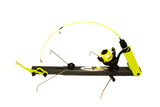


When the bite starts moving from hole to hole, the best ice shelter rod mounts do more than keep a rod off the floor. They keep your presentation steady, your line visible, and your hands free to tend another hole, pour coffee, or get warm without losing track of a light bite. That is the kind of small advantage that adds up over a long day on hard water.
A good shelter mount is not about filling the shack with gadgets. It is about putting each rod where you can fish it with confidence. The right setup lets you watch your rod tips, work a jigging rod comfortably, and manage set lines without turning around every few minutes or fighting gear that slips loose when temperatures drop.
What the Best Ice Shelter Rod Mounts Need to Do
The best mount for your shelter depends on how you fish, but every worthwhile option starts with a secure attachment. It should stay planted when a fish hits, when someone brushes past it, and when the shelter fabric moves in the wind. A mount that shifts position at the wrong moment can pull a bait out of the strike zone or send a rod down the hole.
It also needs to place the rod at a useful angle. Deadstick rods are often best when the tip sits low enough to show a subtle bite but high enough to keep the reel and handle clear of slush. A rod used with an automatic hook-setting device needs stable support and enough room for the mechanism to operate as intended. Your jigging rod, on the other hand, may only need a simple cradle within easy reach.
Cold-weather usability matters just as much. Small knobs, thin stamped-metal clips, and tight plastic latches may work in a garage but become frustrating with gloves on. Look for hardware you can adjust with cold fingers and a design that does not require a dozen loose pieces to install or move.
Types of Ice Shelter Rod Mounts
There is no single mount that is right for every portable, hub, skid house, or permanent shack. Start by matching the mounting style to the structure you own.
Rail and Tube Mounts
Rail mounts clamp around a round or square tube on many portable shelters and flip-over sleds. They are popular because they do not require drilling into the shelter frame. A quality clamp provides a solid base for a rod holder, camera arm, accessory tray, or automatic hook-setting device.
The trade-off is fit. Tube diameter varies between shelter brands and even between models, so do not assume a clamp is universal. Measure the frame before you buy. Also consider whether the mount will interfere with folding the shelter down. A mount that has to come off every time you pack up may still be useful, but it is not as convenient as one designed around your shelter’s normal setup.
Wall and Track Mounts
Permanent fish houses and skid shacks often give you the option to mount rod holders directly to a wall, seat base, or accessory track. This is a strong, clean solution when you fish the same structure all season. It allows you to set up dedicated stations at each hole and keep rods clear of heaters, bunks, and foot traffic.
Wall mounting requires more planning. A holder fastened only to thin paneling will not stand up to a hard hookset or a heavy fish. Find framing, use backing where needed, and choose fasteners suited to vibration and repeated use. Once holes are drilled, placement is less forgiving, so sit in your normal fishing position and test the reach before committing.
Floor and Sled Mounts
Floor-based mounts can work well in roomy shelters, especially where a sled, bench, or solid platform provides a stable attachment point. They keep the rod close to the hole and can be positioned independently of the shelter frame.
Their weakness is traffic. A mount near your boots, heater, tackle box, or auger cover is easy to bump. In a compact flip-over, that can make the floor more crowded than it needs to be. Floor mounts are usually best when the fishing area has enough room to protect the rod and maintain clear access to the hole.
Clamp-On Utility Mounts
A heavy-duty clamp-on mount offers flexibility for anglers who use more than one shelter or regularly fish outside. It can move from a sled rail to a folding table, bucket bracket, or solid bench, depending on its jaw range and design.
Versatility is valuable, but only if the clamp is built for the job. Avoid light-duty shop-style clamps that can twist under load, rust quickly, or damage the surface they grip. Ice fishing gear sees moisture, cold, and plenty of handling. A purpose-built mount is worth the difference when a fish of the day grabs your bait.
How to Choose the Right Mount for Your Setup
Before comparing products, answer a few practical questions. What shelter frame or mounting surface do you have? How many rods will you actively fish? Are you watching tip movement, using a bobber, or running an automatic hook-setting device? Your answers will narrow the field quickly.
A compact one-person flip-over may only need one secure mount for a deadstick rod while the angler jigs another hole by hand. A larger hub shelter can support several rod stations, but more holders are not always better. Keep enough open space to move safely, tend the heater, and land fish without crossing lines.
Pay close attention to rod-handle compatibility. Some holders are shaped for spinning rod grips but do not accommodate thicker handles, pistol grips, or certain baitcasting setups. If you use a short panfish rod one day and a longer walleye rod the next, choose a mount with an adjustable cradle or retention system that handles both without squeezing the blank.
The best ice shelter rod mounts should also hold the rod without making it difficult to grab. A rod holder is supposed to provide control, not delay. When a bite comes, you should be able to lift the rod cleanly, set the hook, and stay clear of the hole.
Build Quality Matters on the Ice
Cold exposes weak gear. Brittle plastics crack, bare steel hardware corrodes, and undersized adjustment points loosen after repeated use. Look for solid materials, corrosion-resistant hardware, and connection points that are thick enough to resist flexing.
A little weight is not a bad thing if it comes from a stronger base or better clamp. The goal is not the lightest accessory in the catalog. The goal is a mount that remains steady through a season of setup, teardown, wet gloves, and sharp temperature swings.
American-made gear can be a smart choice here because the maker is easier to identify, the product support is closer to home, and the design often comes from real use rather than a copied listing. Be cautious of bargain knockoffs with vague fit claims and no clear manufacturer standing behind them. Saving a few dollars is not much comfort if the mount fails while your best rod is on the line.
Placement Is Part of the System
Even a well-built mount can perform poorly when it is placed in the wrong spot. Set rod holders where you can see the tip without craning your neck and reach the handle without standing up. Keep them away from the heater and from any path used to enter the shelter.
For a deadstick setup, position the rod so the line enters the hole without rubbing against the edge. A clean line path helps prevent ice buildup and makes light strikes easier to read. If you are using a tip-up-style or automatic hook-setting setup, leave room around it so nothing blocks its motion.
The Happy Hooker from Thresher Innovations is designed around this practical need: helping anglers fish more holes efficiently while staying warm inside the shelter. Like any automatic hook-setting device, it performs best when mounted solidly, positioned with a clear line path, and given enough room to work without interference from nearby gear.
A Simple Pre-Ice Checklist
Before your first trip, mount the holder at home and test it with the rod you actually plan to use. Check these five points:
- The clamp or fasteners match your shelter frame, wall, sled, or track.
- The rod can be removed quickly with gloves on.
- The holder keeps the reel and handle clear of the hole and slush.
- Nothing prevents the shelter from folding, packing, or closing properly.
- The mount stays secure when you apply a firm pull in the direction of a hookset.
Keep Your Mounts Working Season After Season
At the end of each outing, knock off ice and wipe down wet hardware before packing up. At home, let the mount dry fully rather than leaving it buried in a damp sled. Check knobs, bolts, and clamps periodically, especially after travel on rough roads.
Do not force frozen adjustment points. Bring the mount inside to thaw if needed, then inspect it for packed ice or damaged threads. A small amount of routine care protects the gear that protects your rods.
Fish the number of holes you can manage well, mount each rod where you can see and reach it, and buy equipment built to stay put. A dependable rod mount will not make the fish bite, but it will make you ready when they do.