


A good day of ice fishing is rarely decided by luck. It is decided before the first hole is drilled, then refined by how well you find fish, present a bait, and react when a light bite finally comes through. The difference between staring at a dead tip-up and putting fish on the ice often comes down to preparation and a system that lets you cover water without freezing outside all day.
For anglers who take winter seriously, the goal is simple: fish efficiently, stay safe, and make every opportunity count. That means dependable equipment, sound ice judgment, and a setup that works whether the bite is aggressive or barely noticeable.
Start With Ice Safety, Not Fish Stories
No walleye, crappie, pike, or perch is worth taking a shortcut on unsafe ice. Conditions change fast, especially near current, bridges, inlets, pressure cracks, vegetation, and shoreline access. Ice thickness can vary dramatically across a single body of water, even after a long cold spell.
Check conditions locally before heading out, then check them again yourself as you travel. Clear, solid ice is generally stronger than cloudy or honeycombed ice, but color alone is not a guarantee. Use a spud bar or drill test holes as you move, and treat every unfamiliar area with caution. Snow cover can hide weak spots and slow ice formation underneath.
Bring a set of ice picks, wear flotation gear when conditions call for it, and fish with a partner whenever possible. Keep a throw rope accessible instead of buried under buckets and tackle. Good ice fishing starts with the ability to get home safely.
Build an Ice Fishing Setup Around Mobility
Fish move. Their depth changes with light, weather, forage, fishing pressure, and the time of day. If you commit to one hole because it was productive last weekend, you may spend the day waiting on fish that have already shifted 50 yards or 500 yards away.
Start by studying the structure. Points, inside turns, weed edges, sharp breaks, basin transitions, rock piles, and narrow travel routes all concentrate fish at different times. Drill enough holes to learn what is happening below the ice instead of guessing. A line of holes from shallow water into deeper water can reveal whether fish are feeding up on a break, holding tight to weeds, or suspended over the basin.
Mobility does not always mean pulling a shelter across the entire lake every hour. It means having a plan. Drill, check depth and bottom composition, use electronics to identify life, and give each location enough time to prove itself. If the screen stays empty and the bite is absent, move with purpose.
A reliable auger, a sled that keeps gear organized, and a shelter you can set quickly all matter. Heavy gear can be worth carrying when the forecast is brutal, but only if it does not keep you from relocating when the fish tell you to.
Let Electronics Guide the Decision
A flasher or fish finder does not catch fish by itself. It does show you whether fish are present, how they respond to your lure, and whether you are fishing above, below, or in the middle of the action.
Watch for the relationship between fish and bait. If a mark rises to inspect your jig but turns away, change cadence before changing locations. A few subtle shakes, a long pause, or a smaller profile may close the deal. If fish rush your bait but refuse it, try a different color, size, or live-bait offering.
Electronics also prevent wasted time. A hole without fish can still be useful when it confirms a pattern, but a full day spent fishing blank water is not a strategy.
Match Your Presentation to the Bite
There is no single best ice fishing lure because fish behavior is never that simple. Active perch may chase a flashy spoon several feet off bottom. Neutral crappies might only take a tiny jig held perfectly still. Pike can respond to a large, lively bait set near a weed edge, while a cautious walleye may favor a minnow or subtle jigging motion at dusk.
Carry a focused selection rather than a box full of random tackle. Bring a few proven spoons, tungsten jigs, plastics, and bait rigs that fit the species and water you fish. Learn how each one falls, flashes, and moves. Confidence in a small group of presentations beats constant lure swapping.
Start with a bait that helps you locate active fish. A spoon, rattle bait, or more aggressive jigging cadence can draw attention. When fish appear but will not commit, follow with a smaller, quieter option. This one-two approach lets you call fish in, then give them an easy meal when they get cautious.
Line choice matters too. Light line improves the action of small jigs and can produce more bites in clear water. Heavier line and a leader make more sense around northern pike, lake trout, thick cover, or rough ice edges. Match the rod, line, and hook to the fish you expect, not just the fish you hope to catch.
Fish Multiple Holes Without Losing the Moment
A shelter provides comfort, especially during wind, snow, and subzero temperatures. But comfort can become a disadvantage if it leaves other productive holes unattended. Many anglers want to fish a jig rod inside while keeping bait set outside on likely travel routes, weed lines, or break edges.
That approach works when every line is monitored responsibly and within local regulations. The challenge is setting the hook at the right time. Fish can mouth live bait, pull line gently, or strike and drop it before an angler reaches the hole. Cold hands, bulky clothing, and a shelter door can cost valuable seconds.
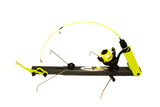
Purpose-built automatic hook-setting devices are designed to solve that practical problem. Thresher Innovations' American-made Happy Hooker allows an angler to cover additional holes while staying warmer in the shelter, then triggers a hook set when a fish takes the bait. It is built for fishermen who want more effective time on the ice, not more complicated gear.
The tool is not a replacement for good judgment. Set the drag correctly, use hooks appropriate for the bait and species, and check every line often. It is also wise to confirm the rules where you fish, since regulations on unattended lines, tip-ups, and hook-setting devices vary by state and water.
Stay Warm Enough to Fish Well
Cold changes decision-making. Once your hands are numb and your boots are wet, you rush knots, miss light bites, and start packing up before the best evening window arrives. Staying warm is part of fishing effectively, not an afterthought.
Dress in layers that manage moisture. A moisture-wicking base layer, insulating middle layer, and windproof outer layer give you more control than one oversized coat. Avoid cotton when possible because it holds moisture and loses insulating value once wet. Keep spare gloves or mittens in a dry bag, and bring hand warmers for the days when the wind will not quit.
Your feet deserve the same attention. Insulated, waterproof boots paired with quality socks prevent the slow chill that ruins a long day. A small foam pad, insulated shelter floor, or bucket seat can also make a major difference by keeping you off the ice.
Use heaters carefully. Maintain ventilation, follow manufacturer instructions, and keep fuel systems in good condition. Comfort should never come at the expense of carbon monoxide safety or fire risk.
Keep the Details Simple and Dependable
Winter exposes weak links. Dull auger blades, frozen zippers, cracked plastics, worn line, loose terminal tackle, and dead batteries all become bigger problems when the wind is up and daylight is limited. Inspect equipment before the season and again before each trip.
Pack tools where you can reach them. Extra line, forceps, a scoop, batteries, a multi-tool, and a small first-aid kit are not glamorous, but they keep minor failures from ending the day. Keep bait protected from extreme cold, and clear slush from holes before it freezes solid around your line.
Pay attention to the bite window as well. Early morning and late afternoon are dependable starting points for many species, but weather shifts, barometric pressure, and local forage patterns can move the action. Keep notes on depth, lure, time, and conditions. After a few trips, those notes become more useful than somebody else's report.
The next time you head out, do not measure the trip only by the number of fish in the bucket. Drill with a purpose, move when the pattern changes, keep your gear ready, and give yourself the best chance to be present when the bite happens.
#fishing #icefishing