


A flag pops, your rod tip loads, and the fish has already moved six inches before you touch the handle. That moment is where an ice fishing hook setting guide earns its keep. Good hooksets are not about jerking harder. They come from reading the bite, accounting for the bait and rig, and putting firm pressure on the fish at the right time.
Through the ice, there is no single hook-setting rule that works for every hole. A walleye taking a shiner, a crappie inhaling a jig, and a northern pike running with a dead bait each demand a different response. Learn the difference, and you will lose fewer fish, land more of the bites you earn, and spend less time wondering what went wrong.
Start With a Hook That Matches the Presentation
Hook-setting success begins before the bait goes down the hole. The hook must fit the bait size, target species, and the way you expect the fish to take it. A small tungsten jig with a fine-wire hook is designed for a quick, controlled lift. A live-bait rig for walleye may call for a longer sweep and steady pressure. A tip-up rig for pike needs a hook arrangement that reaches the fish securely without making it drop the bait.
Sharpness matters more in winter than many anglers realize. Cold fingers, a hole full of slush, thick outerwear, and a fish below the ice all make a marginal hook harder to drive home. Test every point before fishing. If it will not lightly catch your fingernail, replace it or sharpen it. Do not try to make up for a dull hook with a violent hookset. That usually opens a larger hole in the fish's mouth or snaps light line.
Line choice affects the feel of the set, too. Braid gives direct contact and excellent bite detection, but its low stretch can tear a small hook free if you set too hard. Monofilament provides forgiveness, especially with live bait and light-wire hooks. Fluorocarbon leaders offer abrasion resistance and a little controlled stretch. There is no universal winner. Match the line to the species, water clarity, cover, and how aggressively the fish are feeding.
Read the Bite Before You Set the Hook
The best anglers do not react to every movement with the same motion. They watch the rod tip, line angle, spring bobber, and electronics, then make a decision. A bite can show up as a sharp thump, a slight lift, a line that suddenly goes slack, or a bait that rises on the sonar screen.
With panfish, a light bite often looks like less weight rather than more. A bluegill may swim upward with a jig, leaving your line slack. In that case, reel quickly until you feel contact, then lift the rod with a short, crisp motion. Sweeping at slack line does not set anything. Getting tight first is the job.
Walleye can be equally unpredictable. An aggressive fish may hammer a spoon and let you set immediately. A neutral fish may mouth a minnow or follow a lure without fully committing. When the rod tip pulses lightly, resist the urge to snap the rod on the first tick. Feed a touch of line if the setup allows, feel for the weight of the fish, and then sweep smoothly to the side. The goal is to pull the point into the jaw, not rip the bait away.
Pike and other toothy predators deserve patience, particularly on a tip-up. A spinning flag spool does not always mean the fish has swallowed the bait. It may be turning, repositioning its meal, or moving it away from the strike. Watch the spool and approach quietly. Depending on the rig, let the fish move off with the bait, take up line until you feel steady resistance, and make a firm, deliberate set. Circle hooks are the exception: apply steady pressure and reel rather than using a hard snap.
Ice Fishing Hook Setting Guide: The Right Motion
A proper hookset is a sequence, not a single wild move. First, remove slack. Second, point the rod toward the fish enough to create a straight line. Third, use the motion that fits the tackle.
For most jigging rods, a short upward lift of 12 to 24 inches is plenty. The rod does the work. A fast-action rod transfers power quickly, while a softer rod loads deeper and protects light line. If you are fishing a tiny jig for finicky crappies, your hookset may be little more than a wrist lift after reeling tight.
For live-bait walleye rigs, use a controlled side sweep. Sweeping keeps pressure on the fish longer than a straight vertical jerk and reduces the chance of pulling the bait from a cautious bite. Keep reeling as you sweep. That combination drives the hook and starts the fight with a tight line.
For heavy tip-up tackle and larger fish, do not confuse force with effectiveness. A firm sweep is needed to move a large hook, but oversized motions can create slack immediately afterward. Set the hook, keep the line tight, and let the fish pull against your drag or hand pressure. When the fish is near the hole, slow down. Many losses happen in the last few feet when an angler tries to lift a fish through the ice too quickly.
Timing Changes With Bait and Species
Lures that fish strike aggressively usually call for an immediate response. If a perch crushes a spoon or a lake trout slams a tube jig, reel into the fish and set with authority. You have a moving target and a direct connection. Waiting often gives the fish time to spit the bait.
Live bait changes the equation. A fish may grab a minnow crosswise before turning it to swallow. Setting too early can pull the hook and bait free. Still, waiting too long can lead to deeply hooked fish, especially when using single hooks. The practical answer is to pay attention to the fish's movement. When it runs with purpose or you feel sustained weight, get tight and set.
Species behavior is only part of the decision. Water temperature, fishing pressure, low oxygen, and a passing front can make normally aggressive fish act hesitant. On those tough days, downsizing the bait, using a sharper hook, and setting with less force will often beat trying to overpower a subtle bite.
Avoid the Hook-Setting Mistakes That Cost Fish
The most common mistake is setting on slack line. If you cannot feel the fish, you cannot effectively drive the hook. Reel before lifting, even if it takes an extra second.
The next mistake is using the same hard snap for every presentation. Heavy hooksets with ultralight tackle bend hooks, break line, and tear out small jigs. On the other hand, a gentle wrist flick may not move a larger hook through the tough jaw of a pike or burbot. Let the hook size and line strength dictate the force.
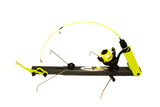
Another problem is fishing too many lines without a system. Several holes can produce more opportunities, but only if you can respond quickly and know what each setup is doing. Keep rods organized, clear ice and slush from the holes, and place tip-ups where you can see the flags. An automatic hook-setting device can help anglers keep more lines fishing while staying warm in the shelter, but it should support sound rigging and bite awareness, not replace them.
Finally, inspect your gear after every fish and every snag. A hook point that rolled on the bottom, a nicked leader, or a damaged knot can turn the next perfect bite into a lost fish. Winter fishing gives you time between marks. Use it to check the small details.
Practice Makes the Set Automatic
Before the next trip, tie on the same lure, hook, and line you plan to fish. Practice taking up slack and lifting the rod without overextending your arm. Pay attention to how far the rod travels and how quickly it loads. That muscle memory pays off when a light bite appears on a busy day.
Purpose-built gear also matters. Thresher Innovations builds the Made-in-USA Happy Hooker for anglers who want to cover more water and stay productive from the warmth of an ice shelter. Whether you fish one hole or several, dependable equipment and a disciplined hook-setting routine make every flag, thump, and rising mark count.
The next time the bite feels soft, do not rush to blame the fish. Get tight, read what the line is telling you, and use a clean hookset that fits the presentation. That is the kind of small adjustment that turns a long day on the ice into a better one.