
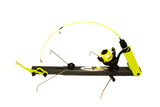


A quiet tip-up flag can be easy to miss when you are warming up inside the shack, tending another hole, or helping a kid land a fish. That is where fishing triggers earn their keep. Knowing how to use fishing triggers lets you cover water more effectively while giving the fish a fast, consistent hook-set when it takes the bait.
For ice anglers, a fishing trigger is generally an automatic hook-setting device. It holds a rod, detects the strike through line tension or rod movement, and releases a spring-loaded arm that sets the hook. It is not a substitute for sound judgment, good bait, or checking your lines. It is a purpose-built tool that helps you fish more holes with less wasted motion in cold conditions.
What Fishing Triggers Do on the Ice
A fishing trigger keeps the rod loaded and ready until a fish pulls line. Once the trigger releases, the device snaps the rod upward and drives the hook home. That quick response matters when fish are taking minnows lightly, when bites are subtle, or when you cannot stand over every rod all day.
The biggest advantage is efficiency. Instead of choosing between sitting in the shelter and watching one rod or walking outside to tend a spread, you can set a trigger-equipped rod over a productive hole and keep an eye on the area. Used responsibly, this gives you more opportunities without turning fishing into a hands-off activity.
Automatic hook-setting devices work especially well for walleye, northern pike, crappie, perch, and other species commonly targeted through the ice. The right setup depends on the fish, the bait, the hook style, and how aggressively fish are feeding. A heavy pike bait and a small crappie minnow should not be rigged with the same trigger sensitivity.
How to Use Fishing Triggers Step by Step
Start by drilling and cleaning the hole. Remove loose slush so the line can run freely, then position the device on solid, level ice. A trigger needs a stable base. If it shifts when the rod loads, it can misfire, fail to set the hook, or send your rod sliding toward the hole.
Rig the rod for the species
Use a rod with enough backbone to set the hook but not so much power that it tears bait from a light-biting fish. Medium-light and medium rods cover many walleye and panfish situations. For pike, use a stronger rod, heavier line or leader material, and hardware sized for the bait and the fish.
Spool the reel with fresh, cold-weather-ready line. Frozen, kinked, or badly coiled line can create drag and interfere with the release. Tie reliable knots, check the hook point, and inspect leaders for abrasion before dropping bait down the hole.
Set your bait at the depth where fish are holding. On many lakes, that means working close to the bottom for walleye and perch, suspended over basin water for crappie, or just above weed edges for pike. Electronics can save a lot of guessing, but a trigger still works best when it is placed over fish rather than simply over a hole.
Load the trigger correctly
After lowering the bait, place the rod in the device’s holder and engage the trigger according to the unit’s design. The rod should be bent slightly enough to store energy, but not loaded to its limit. Think controlled tension, not maximum tension.
Set the reel so line can leave smoothly when a fish takes the bait. Depending on your reel and target species, that may mean opening the bail, using a free-spool setting, or setting a light drag. The goal is to let the fish move off with the bait until it trips the trigger. If there is too much resistance, a cautious fish may drop it. If there is too little control, line can spill excessively or tangle.
Before walking away, test the setup with a gentle pull on the line. Watch how much pressure is required to release the trigger and how the rod moves once it fires. This simple test catches most setup errors before a real fish is involved.
Adjust sensitivity to match the bite
Sensitivity is where good trigger fishing becomes effective trigger fishing. In a hot bite, a firmer setting can prevent false releases caused by wind, line movement, or an active minnow. During a soft walleye or crappie bite, a lighter setting may be needed so a fish does not have to pull hard before the hook is set.
Make small adjustments. If the trigger is firing when nothing is there, increase resistance slightly, reduce excess rod load, or check whether wind is moving the line. If fish are stealing bait without firing the unit, lighten the setting, verify that the line is moving freely, and make sure the bait is not snagged in slush at the edge of the hole.
Placement Matters as Much as the Trigger
Set fishing triggers where you can get to them quickly and safely. Keep the holes far enough apart that rods, lines, and anglers do not interfere with one another. Avoid high-traffic paths around the shelter, especially where someone could step on a line or bump the device.
Wind is another practical concern. In open country, wind can bow line, shake a rod, and create false trips. Position the trigger low, keep excess line off the ice, and use the shelter or natural terrain when possible to reduce exposure. In bitter cold, check the hole often so skim ice does not trap the line after a fish is hooked.
A quality automatic hook setter such as the Made-in-USA Happy Hooker is built to help anglers fish multiple holes while staying warm and ready inside the shelter. The same rule applies to any trigger system: it should be stable, repeatable, and simple enough to operate with cold hands and gloves.
Do Not Treat It Like a Set-and-Forget Device
Fishing triggers are labor-saving gear, not an excuse to ignore your lines. Check bait regularly, clear ice from holes, inspect line for damage, and stay close enough to respond when a fish is on. A hooked fish can wrap line on the edge of a hole, tangle with another setup, or pull slack if it is left unattended too long.
When a trigger fires, approach calmly. Do not grab the rod and yank immediately. Pick it up, feel for steady pressure, and reel into the fish with the rod tip up. If it is a hard-fighting fish such as pike, keep its head coming toward the hole and avoid forcing it against the ice edge. Have pliers, a jaw spreader if you use one, and a scoop ready before the action starts.
If the device fires and no fish is there, inspect the whole system. You may have a short strike, a baitfish that tripped the trigger, a line issue, or sensitivity set too light. Fresh bait and a quick reset are usually better than assuming the spot is dead.
Common Mistakes That Cost Fish
The most common mistake is overloading the rod. A trigger needs stored energy, but cranking the rod down too far can cause a violent hook-set that rips small hooks free or breaks light line. Start with moderate bend and adjust after testing.
Another mistake is ignoring the reel. A perfectly adjusted trigger cannot overcome a sticky spool, a closed bail, or drag set too tight. Line must feed cleanly until the release point. Cold-weather lubricant, clean guides, and a quick function check before each outing make a difference.
Anglers also lose fish by using the wrong bait presentation. A large, lively minnow may work for pike but overpower a fine-wire panfish hook. A small crappie minnow may be perfect for suspended fish but too subtle for aggressive predators. Match hook size, leader, bait size, and trigger sensitivity to the species in front of you.
Finally, know your state and local rules before setting a spread. Regulations can limit the number of lines, define attendance requirements, or address what types of automatic hook-setting devices are legal. Responsible anglers check the current rules for the water they fish and follow them without exception.
Keep Your Trigger Ready for the Next Trip
At the end of the day, knock off ice and moisture before packing the device away. Check springs, trigger points, rod holders, and moving parts for damage or buildup. Dry the unit before storage to help prevent corrosion, and keep it where it will not be crushed under augers, heaters, or heavy gear.
A fishing trigger is most valuable when it works the same way on the coldest day of the season as it did during the first freeze. Set it carefully, test it before each use, and keep your attention on the water. That is how you spend less time waiting over an empty hole and more time ready when the fish finally commits.