


A good mark rises off the bottom, the rod loads up, and then the line goes slack. That is the hard-water heartbreak every angler knows. Learning how to avoid losing fish is not about one magic knot or a single piece of gear. It comes down to keeping every part of the connection - hook, line, drag, rod, and your hands - ready to do its job when a fish finally commits.
On the ice, small mistakes get magnified. Cold fingers slow down your response. Ice can nick line. A fish can use the sharp edge of a hole to gain leverage. And when you are fishing more than one hole, the fish may bite where you are not standing. A reliable system gives you a better chance to turn those opportunities into fish on the ice.
Start With a Hook That Can Do Its Job
Many lost fish are never truly hooked in the first place. A dull point, a hook that is too small for the bait, or a hook buried in a minnow can all lead to a short-lived connection. Before the day starts, inspect your hooks. If the point drags across a fingernail instead of grabbing, replace it or sharpen it. Hooks are inexpensive compared with the fish you may lose.
Match hook size to both the bait and the fish you expect to catch. A tiny hook may disappear nicely in a small minnow, but it can leave too little gap to hold a big walleye, pike, or lake trout. An oversized hook can make natural bait look awkward and reduce bites. The right setup is a balance: enough hook gap and strength to hold fish, without making the presentation clumsy.
With live bait, avoid running the hook so deep that the hook point is blocked. Hooking a minnow lightly through the back, lips, or just behind the dorsal fin often leaves more of the point exposed. The exact placement depends on whether you want the bait to swim naturally, stay near bottom, or hold position under a tip-up, but a clear hook point matters every time.
Set the Drag Before the Bite Happens
A drag that is too tight can snap light line or pull a hook free when a strong fish surges near the hole. A drag that is too loose lets a fish take line without steady pressure, giving it time to shake its head and throw the hook. Your drag should release line smoothly under a firm pull, not lock up and not slip freely.
Check it at the start of the day and again after changing lures, adjusting line, or catching a fish. Cold temperatures can affect reels, especially if moisture freezes around moving parts. If you are using a hand-over-hand setup, the same rule applies: maintain steady pressure without trying to win every inch of line at once.
The first hard run is not the time to prove how heavy your line is. Let a strong fish pull drag when it needs to. Keep the rod loaded, keep the line tight, and let the rod absorb sudden head shakes. A bent rod is your shock absorber. Pointing the rod straight at the fish removes that cushion and makes it easier for a fish to create slack.
Keep Pressure Steady, Not Brutal
Once the hook is set, avoid pumping the rod wildly or reeling faster than the fish allows. Lift smoothly, reel down while maintaining tension, and repeat. This is especially important with fish that make unpredictable runs near the hole. A fish can look beaten 10 feet down and suddenly make one last surge when it sees daylight.
If the fish circles under the hole, stay patient. Forcing it upward at the wrong angle often causes the hook to tear loose. Maintain pressure and guide the fish into the center of the hole when it is ready.
Protect Your Line From Ice, Teeth, and Wear
Line takes more abuse during ice fishing than many anglers realize. It rubs against ice, freezes to guides, catches on slush, and may be pinched by equipment. Even a light nick can become the weak point that fails when the best fish of the day makes a run.
Run your fingers along the first several feet of line whenever you reset after a fish or pull a lure from the hole. If it feels rough, flattened, or curly, cut back and retie. Also inspect the knot itself. A knot weakened by repeated lure changes, freezing water, or friction is a gamble you do not need to take.
Species matters here. Panfish and walleye often call for lighter line and a more careful drag. Northern pike, pickerel, and other toothy fish may require a leader that can handle sharp teeth. Using a leader can reduce bites in very clear water, so it depends on the species, water clarity, and how aggressive the fish are. But a light monofilament line against a pike's teeth is rarely a fair fight.
How to Avoid Losing Fish at the Hole
The hole is where many good fish are lost. A fish that is secure in open water can break free when line contacts the lower edge of the ice. Keep the line centered in the hole whenever possible, particularly when the fish is close. If it makes a hard run to one side, lower the rod tip slightly and guide the line away from the edge rather than lifting straight up.
Clear slush before the action starts. A hole packed with slush can snag line, hide the fish, and make landing awkward. It also makes it harder to get a clean look at a fish's head and decide when to grab it. Keep a skimmer handy and maintain a hole large enough for the species you are targeting. Trying to squeeze a heavy northern or lake trout through a small hole is an unnecessary way to lose a fish.
When the fish's head breaks the surface, do not rush. The fish is not landed until it is clear of the hole. Lead its head up first, then use a gloved hand, jaw spreader, or landing tool appropriate for the fish. Avoid grabbing line above the water and lifting the fish by the line alone. That sudden angle and extra load can break line or pull a hook loose.
Stay Ready When Fishing Multiple Holes
Fishing several holes can put more bait in front of more fish, but it also creates a simple problem: you cannot hold every rod at once. A bite that goes unanswered for too long can become a dropped bait, a tangled line, or a fish that finds enough slack to escape.
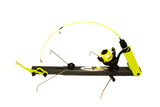
Purpose-built automatic hook-setting devices can help in this situation by responding immediately when a fish takes the bait. The Happy Hooker was designed for anglers who want to fish multiple holes while staying warmer inside the shelter, without relying on a slow hand response to every strike. The value is not just convenience. A timely, controlled hook set can improve the odds of getting a solid connection before a fish lets go.
Even with automatic gear, set it up correctly. Make sure the trigger is adjusted for the bait and species, the rod is positioned securely, and the line runs cleanly into the hole. Test the action before you put the rig into service. Equipment should make your system more dependable, not become one more thing you have to troubleshoot when fish are biting.
Match Your Hook Set to the Presentation
Not every bite calls for the same response. With a jig and a rod in hand, a crisp upward sweep is usually enough. You do not need to swing as if you are setting a fence post. Too much force can tear a small hook free, especially from soft-mouthed fish like crappies.
With a tip-up or live-bait rig, a fish may need a moment to turn the bait and move off before pressure is applied. That depends on the hook style. Circle hooks are intended to catch in the corner of the mouth with steady pressure, while traditional treble-hook rigs often call for a more direct set. Know which hook you are using and fish it accordingly.
The best anglers are not always the ones who hit fish hardest. They are the ones who recognize the bite, make the right move, and maintain pressure all the way to the hole.
Do the Small Jobs Before They Cost You a Fish
A dependable day on the ice starts before the first flag pops or the first rod tip shakes. Check knots, sharpen hooks, clear holes, test drag, and keep gloves, tools, and a skimmer where you can reach them. These are simple jobs, but they prevent the kind of scrambling that leads to a slack line at the worst possible moment.
Fish will still win sometimes. That is part of fishing. But when your gear is maintained, your drag is set right, and your landing area is ready, you will lose fewer fish for reasons you could have prevented - and put more of the right ones on the ice.
#icefishing #fishing