
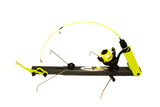


A hook setter for panfish is not about replacing the angler. It is about giving a light-biting bluegill, crappie, perch, or sunfish a better chance to get hooked while you manage the rest of your spread. When the bite is subtle and the temperature is unforgiving, a purpose-built automatic hook-setting device can help you fish more holes without spending the whole day staring at one rod.
For serious ice anglers, that matters. Panfish often travel in schools, and a productive hole can go quiet quickly. The angler who can keep several presentations working, stay organized, and react when a fish loads the rod has an advantage. The right equipment should make that possible without adding unnecessary complication.
Why Panfish Demand a Different Approach
Panfish are small, but they are not always easy. A heavy rod, a stiff spring, or a poorly balanced setup can turn a light bite into a missed opportunity. Crappies may lift a jig until the line goes slack. Bluegills may peck at bait before taking it. Perch can hit hard one minute and mouth the offering the next.
That is why a hook setter for panfish needs to be sensitive enough for lighter tackle while still delivering a clean, dependable hook set. The goal is not brute force. It is quick, controlled action that buries a properly sized hook without tearing it free from a fish with a soft mouth.
A conventional tip-up can certainly catch fish, and a deadstick remains effective when fish are feeding confidently. But both require the angler to notice the signal, reach the hole, and set the hook in time. That gets harder when you are tending several holes, helping a fishing partner, changing a jig, or staying warm inside the shelter.
What an Automatic Hook Setter Does on the Ice
An automatic hook setter holds the rod in a ready position and releases a spring-driven hook set when a fish pulls line or trips the mechanism. Instead of relying on an angler to be standing over the rod at the exact moment of the bite, the device responds immediately.
Used correctly, it lets you set up a live-bait or deadstick presentation away from your active jigging hole. You can work a spoon, tungsten jig, or soft plastic nearby while another rod waits for a cautious fish to commit. When the bite comes, the hook setter does its job and leaves you to land the fish.
That is especially useful in a heated shelter. Nobody buys ice fishing gear so they can sit comfortably indoors and ignore their lines. The point is to stay warmer while remaining productive. A properly placed hook setter lets you monitor multiple holes without constantly stepping into the wind to check whether a tiny bite has come and gone.
Setting Up a Hook Setter for Panfish
Panfish success begins with balance. The device may provide the hook-setting action, but the rod, line, hook, bait, and trigger tension still need to work together.
Start with a light or medium-light ice rod that has enough backbone to set a hook but enough tip to show a subtle pull. Pair it with line suited to the presentation. Light monofilament can work well for minnows and live bait because it has some stretch. Fluorocarbon is often a strong choice in clear water or when fish are finicky. Braided line can improve sensitivity, though its lack of stretch means anglers should avoid overpowering a small hook set.
Use hooks sized for the bait and species, not for the size of the device. A small treble hook may be useful with a properly sized crappie minnow, while a single hook can be a clean option for waxworms, spikes, or small plastics. The lighter the presentation, the more carefully you should adjust trigger sensitivity.
Test the setup before committing it to a hole. Pull the line as a feeding fish would, not as if you were trying to trip a mousetrap. If the trigger will not release on a modest pull, it is too heavy for finicky panfish. If it fires from a light breeze, rod bounce, or a minor line movement, back it off. A few minutes of testing can prevent hours of missed flags and false trips.
Match Trigger Tension to the Bite
There is no universal setting for every lake and every species. An aggressive school of perch may trip a firmer setting with no trouble. Suspended crappies in clear water may require a lighter trigger and a smaller bait. Bluegills in midwinter can be especially delicate, often taking just enough line to move the bait without giving a dramatic strike.
Water depth and current also matter. A deeper setup may carry more line movement, while a drafty shelter or windy day can create vibration around the rod. Adjust as conditions change. The best setting is the lightest one that remains stable and reliably trips on a real bite.
Fish Multiple Holes Without Fishing Carelessly
More holes only help when you can watch them responsibly. A hook setter gives you efficiency, not permission to set lines out of sight and forget about them. Keep every rod where you can monitor it, stay within local regulations, and check lines often.
A practical panfish spread usually includes an active hole and one or more waiting holes. Jig actively where you are marking fish. Place a small minnow, soft plastic, or live bait under the hook setter in a nearby hole at a different depth or over a different piece of cover. This lets you learn whether fish prefer movement, stillness, a certain depth, or a particular bait.
If your active hole goes quiet, rotate. Panfish are often close by but not directly beneath you. Moving ten or twenty feet can put you back over the school. A waiting rod can keep producing while you drill, search, and refine the pattern.
Do not crowd your spread so tightly that lines tangle when a fish runs. Leave enough room between holes to land fish cleanly and keep rods, electronics, and heaters organized. On busy days, the simple setup is often the one that catches the most fish.
Common Mistakes That Cost Panfish
The most common mistake is using too much force for too little fish. A heavy-duty hook setting action paired with a tiny hook, light line, and a paper-mouthed crappie can pull the bait away or damage the fish. Match the equipment to the quarry.
Another mistake is assuming every missed trip is a device problem. Check the bait first. A minnow that is too large, weak, or hooked poorly may discourage a light bite. A dull hook will not penetrate even when the release works perfectly. Keep hooks sharp, bait lively, and presentations sized for the fish you expect to catch.
Anglers also lose fish by setting the rod too far from the hole or allowing excess slack between the tip and the water. The hook setter needs a direct connection to the fish. Keep line management clean, position the rod securely, and make sure the line runs freely without catching on ice buildup.
Finally, buy gear built for the job. Cold temperatures expose weak springs, brittle plastic, loose hardware, and poor tolerances quickly. A hook setter is a working tool that may be tripped repeatedly in freezing conditions. It should be made with dependable materials, straightforward mechanics, and parts that hold up through seasons of use.
Choose American-Made Gear Built to Work
The best specialty ice fishing equipment comes from people who understand the problem it solves. Thresher Innovations developed the Happy Hooker to help anglers fish multiple holes more effectively while staying warm in the shelter. That is practical field-driven design, not gimmick gear.
American-made construction also carries weight when you are buying a tool meant to work in real winter conditions. Look for clear product information, dependable customer service, and a manufacturer willing to stand behind what it sells. Be cautious with imitation products that borrow a proven idea but cut corners on build quality, materials, or support.
A well-built hook setter earns space in the sled because it gives you another productive line without making your day on the ice more complicated. Keep the presentation light, tune the trigger for the bite, and use it as part of a smart hole-to-hole strategy. When a cautious crappie takes the bait while you are working the next school, you will understand why the right tool belongs on the ice.