


A flag pops outside the shelter while the heater is running and the wind is pushing snow across the lake. That moment is where manual versus mechanical hooksetting becomes more than a gear debate. It determines whether you have to be standing over every hole to capitalize on a bite, or whether a properly adjusted device can set the hook while you move to the fish.
For serious ice anglers, the right answer is rarely one method for every situation. Fish behavior, bait choice, water depth, line type, local regulations, and how many holes you are actively fishing all matter. The goal is simple: make solid hooksets without losing the control and judgment that make you an effective angler.
Manual Versus Mechanical Hooksetting: What Changes
Manual hooksetting puts every part of the strike response in your hands. You see the tip-up flag, feel the fish take line, judge its movement, pick up the rig, and drive the hook home with your rod or line. It is direct, familiar, and satisfying. When you are close to the hole and paying attention, manual hooksetting gives you the greatest ability to react to what the fish is actually doing.
Mechanical hooksetting uses a spring-loaded or trigger-based device to set the hook when a fish takes the bait. The device supplies the force at the moment of the strike, allowing an angler to fish a line that is not directly in hand. It is not a replacement for paying attention. You still need to get to the hole, fight the fish properly, and make smart decisions about bait, depth, and location.
The real difference is timing. With manual hooksetting, the fish gets a window of time between taking the bait and feeling pressure. With a mechanical system, hooksetting force is delivered when the trigger releases. That quick response can be a major advantage when you are fishing from a heated shelter, checking another hole, or managing several legal lines at once.
When Manual Hooksetting Is the Better Call
Manual hooksetting is hard to beat when you are actively jigging or fishing a rod in your hand. Panfish, walleye, trout, and other species often demand a feel-based response. A light bite may call for a controlled lift rather than a hard snap. A fish that is simply mouthing a minnow may require patience before you apply pressure.
It also makes sense when you are fishing close quarters and can watch the line continuously. If you are standing at the hole, a manual system gives you complete control over how much pressure to use and when to use it. That matters with soft-mouthed fish, light line, small hooks, or finicky bites during cold fronts.
Hook style affects the decision as well. Circle hooks are designed to catch in the corner of the fish's mouth as steady pressure comes on. A hard, traditional hookset can work against that design. With circle hooks, a smooth lift and steady reel pressure are usually more effective than trying to cross the fish's eyes.
There is also a skill component that many anglers enjoy. Reading a spinning spool, knowing when a northern pike has turned a bait, and feeling the weight load on the line are parts of fishing that no device should take away. Mechanical gear should support your approach, not turn you into a spectator.
Where Mechanical Hooksetting Earns Its Place
Mechanical hooksetting is built for a practical problem every ice angler understands: you cannot physically stand over every hole at the same time. When your spread is legal and you are moving between holes, cooking lunch, helping a kid with a fish, or staying warm in the shack, a quick automatic hookset can keep a strike from becoming a missed opportunity.
This is especially useful with predator fishing. Northern pike, walleye, lake trout, and other aggressive fish can take a bait and move quickly. If the hook does not find its mark soon enough, the fish may drop the bait, run into cover, or leave slack line that creates problems at the hole. A consistent mechanical release helps put pressure on the fish before that window closes.
A quality device also brings repeatability. Anglers have good days and distracted days. Cold hands, bulky gloves, a slippery hole edge, and a line buried in snow can slow a manual response. A properly set trigger does not get numb fingers or look away when a flag goes up.
That does not mean every automatic hookset will be perfect. Trigger sensitivity must match the bait, hook, and fish you are targeting. Too light, and wind, bait movement, or a small fish can create false releases. Too heavy, and a fish may carry the bait without tripping the system. Like any serious piece of fishing equipment, mechanical hooksetting rewards a little setup time.
Match the Hookset to the Bait and Rig
Live bait requires a different approach than a spoon, jig, or dead bait presentation. A lively sucker or shiner can create movement that looks like a strike, particularly in shallow water or on a windy day. Before fishing, test the trigger with the actual bait you plan to use. Watch how the line runs, how much resistance the bait creates, and whether the device trips cleanly.
Treble hooks are commonly used for predator tip-up fishing and typically benefit from fast, firm hooksetting pressure. Single hooks may call for a more measured setup, depending on their size and where they are placed in the bait. Circle hooks demand the most care. If you choose them for better corner-of-the-mouth hookups and easier releases, set your equipment and technique for steady pressure rather than a violent strike.
Line condition matters too. Braided line has little stretch, which means a mechanical hookset transfers force quickly. Monofilament has more stretch and may soften the hit, especially in deeper water. Neither is automatically better. The point is to tune the system to your entire rig instead of assuming one trigger setting works for every hole.
Distance, Depth, and the Reality of the Ice Shelter
The farther you are from a hole, the stronger the case for mechanical hooksetting becomes. A fish can do plenty of damage in the seconds it takes to unzip a shelter, put on boots, walk across glare ice, and reach a flag. In freezing wind, that delay can grow even longer.
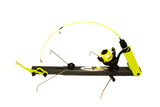
This is where an automatic fish hooking device such as the Happy Hooker can be a practical tool for anglers who want to fish multiple holes efficiently while staying warm. It puts a purpose-built response at the hole, so you can move when the fish is hooked rather than hoping the fish waits for you.
Depth changes the equation as well. In deeper water, line stretch, drag, and the fish's direction of travel can reduce the immediate effect of a manual hookset delivered at the surface. A mechanical device at the hole applies force directly to the line at the point of the strike. That can produce a cleaner connection, provided the setup is adjusted for the species and rig.
Still, no mechanical system removes the need for sound fish-fighting habits. Keep the hole clear, manage line carefully, and avoid giving a powerful fish unnecessary slack. Once the fish is on, your hands, judgment, and patience are back in charge.
Avoid the Common Setup Mistakes
The most common mistake is treating a mechanical hooksetter like a factory-set answer to every fishing situation. Test it before the first bait goes down. Pull line through the trigger at a few different speeds. Make sure the release fires smoothly and that the hookset does not snag on clothing, slush, or the edge of the hole.
Another mistake is setting too much hooksetting force for the line and hook you are using. Heavy force may be appropriate for a large predator rig with stout hooks, but it can straighten light-wire hooks, break light leaders, or tear free from smaller fish. Start with a controlled setting and adjust based on what you see at the hole.
Finally, keep your spread legal and attended as required by the waters you fish. Regulations for tip-ups, automatic hooksetting devices, hook types, number of lines, and required supervision vary by state and sometimes by specific waterbody. Responsible anglers check the current rules before drilling holes, not after a conservation officer arrives.
Choose Control Where It Matters Most
The best ice fishing setup often uses both approaches. Fish a rod by hand when you want to work a lure, feel subtle bites, and make the call yourself. Use mechanical hooksetting where distance, weather, and multiple holes make a fast response difficult. That balance lets you stay involved in the fishing while putting more of your spread to work.
Before your next trip, rig one hole the way you always have and set another with a properly tested mechanical hooksetter. Pay attention to missed bites, false trips, hookup location, and how quickly you can respond from the shelter. The ice will tell you what earns a permanent place in your gear box.
#fishing #icefishing