


A bargain can look a lot different after a hard season. When a plastic latch snaps in subzero weather, a mount will not hold a trophy safely, or a replacement part is nowhere to be found, the real cost of imported versus domestic outdoor gear becomes clear. For hunters and anglers, equipment is not decoration. It has a job to do when the weather is bad, daylight is short, and a good opportunity may not come around twice.
The country stamped on a product is not the whole story. Some imported gear is useful, well-made, and priced fairly. Some domestic products carry a higher price without earning it. The right question is not simply, "Where was it made?" It is whether the product was designed for the work you expect it to do, built with accountable quality control, and backed by people who will answer the phone after the sale.
Imported Versus Domestic Outdoor Gear: What You Are Really Buying
Price is usually the first difference buyers notice. Imported outdoor gear can often cost less because production runs are larger, labor rates may be lower, and freight networks are built to move high volumes. For simple, low-consequence items, that may be all you need. A basic storage bin, a spare pair of gloves, or a generic camp utensil does not always justify a premium purchase.
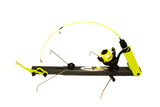
Specialty equipment is different. A device used to improve hook-setting while you are monitoring several ice holes has to operate reliably, not merely look good in a product photo. An antler mount needs to hold real weight securely and allow a clean, adjustable display. Those jobs depend on thoughtful design, suitable materials, repeatable assembly, and testing that reflects actual field use.
Domestic gear often costs more up front because the manufacturer is paying American wages, sourcing smaller batches, and keeping closer control over production. That price can also support better access to the people responsible for the product. When a company designs, builds, and sells a niche item directly, there are fewer places for accountability to disappear.
Field Performance Matters More Than a Low Sticker Price
Outdoor gear is judged under load, in cold, mud, snow, rain, and rough handling. A product that works on a workbench but fails after repeated use is not a value. This is where purpose-built domestic products can earn their place in a gear bag, fish house, or trophy room.
Look past broad claims such as "heavy-duty" or "professional grade." Ask what the gear is made from, what components carry the load, and how it is intended to be used. A manufacturer that understands its product should be able to explain those details plainly. If a fishing accessory has moving parts, buyers should know how those parts handle cold temperatures, line tension, and repeated cycles. If a mounting kit is meant for elk or moose antlers, its adjustment range and support points matter more than a polished package.
This does not mean domestic gear is automatically tougher. It means a domestic maker is often better positioned to build around a specific American use case instead of producing one generic item for the broadest possible market. A founder who fishes frozen lakes or mounts his own trophies sees failure points that may never show up in a factory specification sheet.
That field connection is valuable. The best gear usually comes from someone getting tired of the same problem and building a practical answer to it.
Service, Replacement Parts, and Real Accountability
Buying outdoor equipment is not always a one-time transaction. Springs wear, fasteners get lost, and questions come up when you are setting something up for the first time. Before purchasing, consider what happens if you need help a month or two down the road.
With many low-cost imported products, the brand name may be a label attached to a marketplace listing. The seller can change, the listing can vanish, and replacement parts may not exist. Returns can be inconvenient, especially for bulky products. Even when a warranty is advertised, getting a meaningful response may take more effort than the item is worth.
A reputable domestic manufacturer has more at stake. Its name, customer base, and long-term business depend on standing behind what it sells. That does not guarantee perfection, but it makes a difference when a customer needs an answer. A company that can supply instructions, address a problem, or provide parts helps keep good equipment in service rather than in a landfill.
For niche gear, that support has real value. Thresher Innovations builds specialty products for ice anglers and hunters who need straightforward equipment, clear setup information, and dependable service from people who understand the application.
Made in the USA Claims Deserve a Closer Look
"Made in the USA" is a meaningful claim, but buyers should read it carefully. Domestic manufacturing can involve American design, assembly, fabrication, materials, or all of the above. Some components may still come from overseas because certain springs, electronics, fasteners, or raw materials are not readily available from US suppliers. That reality does not automatically make the claim dishonest.
What matters is whether the company is clear about its process. A trustworthy brand does not hide behind vague patriotic graphics while avoiding basic questions. It explains where its products are developed, where final manufacturing takes place, and why those decisions improve the product or customer experience.
Be equally cautious of products that use American flag imagery while offering no manufacturing details. A flag on a package is not proof of domestic production. Neither is a brand name that sounds local. Look for direct language and a company willing to put its reputation behind the claim.
When Imported Gear Makes Sense
There is no reason to buy domestic simply to prove a point. Imported gear can be a sensible choice when the product is simple, temporary, low-risk, or truly comparable in construction and support. If you are outfitting a first-time camper, replacing a common accessory, or buying a tool you will use once or twice a year, a lower-cost option may be the practical call.
The calculation changes when failure affects safety, performance, or a limited outdoor opportunity. An ice angler may only get a handful of quality days on the lake. A hunter may have one chance to display hard-earned antlers properly. In those situations, dependable specialty gear can be worth more than the few dollars saved at checkout.
Use the same standard for every purchase: compare materials, intended use, warranty support, replacement availability, and the company behind the product. Do not assume imported means poor or domestic means perfect. Make the manufacturer earn your trust.
Watch for Knockoffs and Look-Alike Products
A growing problem in outdoor equipment is the look-alike product. A copy may imitate the shape, color, photos, or language of an established item while cutting corners where buyers cannot see them. The differences may be in material thickness, spring tension, hardware quality, fit, or the lack of support once the sale is complete.
Knockoffs are especially frustrating for small American companies that invested the time to solve a real field problem. They also create risk for customers, who may believe they are buying proven equipment when they are getting an untested imitation.
Before buying, check that the seller is the actual manufacturer or an authorized source. Read the product details instead of relying on photos alone. If the price is dramatically lower than every other option, ask what was removed from the product or the service behind it to get there.
Buy for the Season You Actually Have
The best purchase is not the cheapest item or the one with the loudest flag on the box. It is the gear that fits the job, holds up in the conditions you face, and comes from a company that treats your trust like something earned. When your equipment has to work on the ice, in the woods, or in the shop, buy the version you will be glad to own after a full season of use.
#hunting #fishing #icefishing #madeintheusa