


A frozen lake is a hard place to learn that your gear was built to a price instead of built to work. When the wind is cutting across the ice, holes are spread out, and fish are finally moving, a weak spring, brittle plastic part, or sloppy assembly can cost more than a few missed bites. That is where domestic gear manufacturing earns its place. It gives outdoor customers a clearer line between the people who build a product and the people who depend on it.
For American anglers and hunters, buying domestic is not just about a flag on the package. It is about practical confidence. You want to know who stands behind the gear, whether replacement parts or support are available, and whether the product was designed for the conditions it claims to handle. Those details matter when equipment is purpose-built for a specific job rather than produced as one more item in a massive catalog.
What Domestic Gear Manufacturing Means in Practice
Domestic gear manufacturing means a product is made in the United States, but buyers should look beyond that simple statement. The meaningful question is how closely the company controls design, material selection, assembly, testing, and customer support. Some parts or raw materials may come from global supply chains. That is common across nearly every manufacturing category. What matters is whether the company is honest about its process and accountable for the finished product.
For a niche outdoor company, domestic production often keeps the people making decisions closer to the customer. A founder who fishes hardwater or spends time in the deer woods sees the same frustrations customers face. That firsthand experience can lead to better mechanisms, easier adjustments, stronger connection points, and instructions written by somebody who understands the task.
It also creates a shorter feedback loop. If an ice angler says a component needs to work better with gloves on, or a hunter says an antler display needs more adjustability, a hands-on manufacturer can evaluate the issue and improve the next production run. That is difficult when design, production, and customer service are separated by continents and layers of middlemen.
Better Accountability When Conditions Turn Tough
Outdoor gear does not get used under showroom lighting. It gets dragged through snow, loaded into trucks, handled with cold fingers, and put away wet after a long day. For gear that helps you fish multiple holes or mount a hard-earned set of antlers, the details are not cosmetic. They determine whether the product does its job.
Domestic manufacturing does not automatically guarantee perfection. Any honest company will tell you that. A product can still have a defect, and a U.S.-made item can still be the wrong fit for a particular buyer. The advantage is accountability when something needs attention. A domestic manufacturer has its name, reputation, and customer relationships tied directly to the work.
That accountability shows up in practical ways. It means answering questions before a purchase, providing straightforward setup guidance, and taking responsibility when a customer needs help. It means a company cannot hide behind a marketplace listing, a vague seller name, or a warehouse half a world away.
For customers, that changes the buying decision. The lowest upfront price is not always the lowest cost. A cheap copy that fails early, cannot be repaired, or has nobody available to support it can become the expensive option fast.
Why Purpose-Built Gear Beats Generic Gear
Mass-market gear has a place. A basic item used once or twice a year may not justify a premium purchase. But when a piece of equipment solves a specific problem, the difference between generic and purpose-built becomes clear.
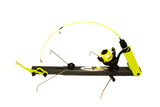
An automatic fish hooking device, for example, has to respond reliably, hold its position, and work as part of an ice-fishing setup without turning a simple day on the lake into a complicated project. It should help an angler cover more water while staying warm inside the shelter, not create another piece of gear that needs constant attention. Those requirements come from real use, not a spreadsheet.
The same is true of an adjustable antler mounting kit. Antlers vary widely in size, spread, angle, and shape. A practical mounting system needs to accommodate that variation while giving the hunter a clean display without unnecessary guesswork. A one-size-fits-all bracket may look adequate in a product photo, yet become frustrating when the actual project is on the bench.
That is why field experience matters in product development. The best niche gear is not built around broad claims. It is built around a specific job and the obstacles that make that job harder.
Domestic Gear Manufacturing Protects the Original Idea
Outdoor buyers have seen the problem before: an original product gains traction, then lower-priced copies appear with similar photos, vague descriptions, and no meaningful history behind them. Those knockoffs can confuse buyers and weaken the companies willing to invest in testing, tooling, customer service, and honest product development.
Counterfeit and imitation products are not always obvious at first glance. The listing may borrow familiar language or show a product that looks close enough in a thumbnail. The differences often appear later in material quality, fit, function, and support. If the product fails, the buyer may have no practical way to reach the seller or obtain help.
Choosing an authentic, American-made product helps protect the original innovation. It supports the people willing to put their name behind a design and keep improving it. That matters in the outdoor market, where many of the best ideas start with a real problem in a boat, blind, shop, or ice shelter.
At Thresher Innovations, that approach is straightforward: develop specialty gear around real outdoor problems, build it in the USA, and stand behind what goes out the door. It is not a complicated promise, but it is one customers should be able to expect.
The Trade-Off: Domestic Products May Cost More
There is no sense pretending that domestic manufacturing always wins on sticker price. American labor, smaller production runs, domestic compliance requirements, and quality control can raise the cost of a finished product. For a buyer comparing two listings side by side, the imported option may look like the obvious bargain.
The better question is what comes with the price. Is the product made from components selected for the job? Has it been tested by people who use it? Can you get a real answer if you have a setup question? Is there a company with a reputation to protect after the transaction is complete?
For a casual accessory, buyers may reasonably decide that the lower-cost option is enough. For equipment that affects fishing efficiency, performance in cold weather, or the presentation of a trophy you intend to keep for decades, paying for better design and support often makes sense.
Value is not the same as cheap. Value is getting a product that performs as promised, lasts through regular use, and comes from people who will answer for it.
How to Evaluate American-Made Outdoor Gear
A strong Made-in-the-USA claim should be supported by more than a banner. Start by looking for clear language about where the product is made and who makes it. Companies that are proud of their process generally do not bury that information.
Next, pay attention to whether the product description explains the actual use case. Good outdoor gear descriptions should tell you what problem the item solves, how it works, and what kind of user will benefit. Broad claims without useful details are a warning sign.
Customer service is another practical test. A company that provides clear instructions, realistic expectations, and direct support is showing that it expects customers to use the product for more than a single season. That is especially valuable with specialized gear, where a quick answer can save time in the field or frustration in the shop.
Finally, be cautious with look-alike products. Compare materials, product details, seller information, and the company behind the listing. If the price seems too good to be true, ask what was removed from the process to make it that cheap.
American-made gear will not make the fish bite or guarantee a record-class buck. What it can do is give you a fairer shot with equipment designed by people who understand the work, respect the customer, and are still there when the day is done.